
Hero Hermeneutics
Do We Expect Our Hero's To Be More Than Human?

I heard a sermon today about Biblical hero hermeneutics that caught my attention, so I looked it up. Hermeneutics is simply how we interpret what we read. It begins with careful reading, especially of Scripture, and asks a straightforward question. What does this mean, and how should we understand it? How we answer that shapes what we believe about God, ourselves, and the world around us.
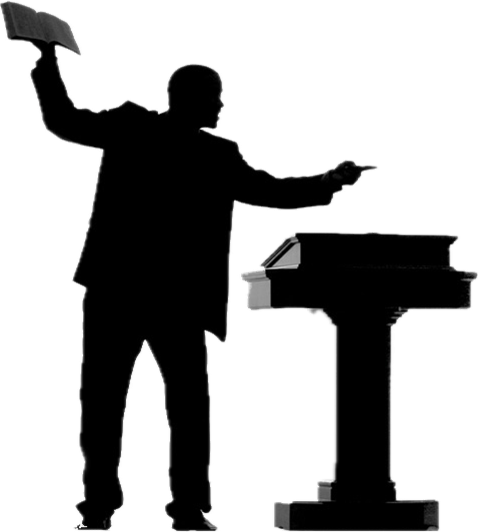
One approach that has crept into pulpits and conversations is Biblical hero hermeneutics. It is our habit of reading the Old Testament and turning its main characters into moral champions whose lives are treated primarily as blueprints to copy. Abraham becomes perfect faith. Moses becomes flawless leadership. David becomes bold courage. Samson becomes strength.
At first glance, that sounds harmless. We all want examples to follow. But when we smooth over the rough edges of these men, we begin to mischaracterize the Bible itself. And when we misread the Bible, we eventually misunderstand everything else.
The Bible does not hide the cracks. Humans are messy; faithful and faithless, sinners and saints, all in the same lifetime.
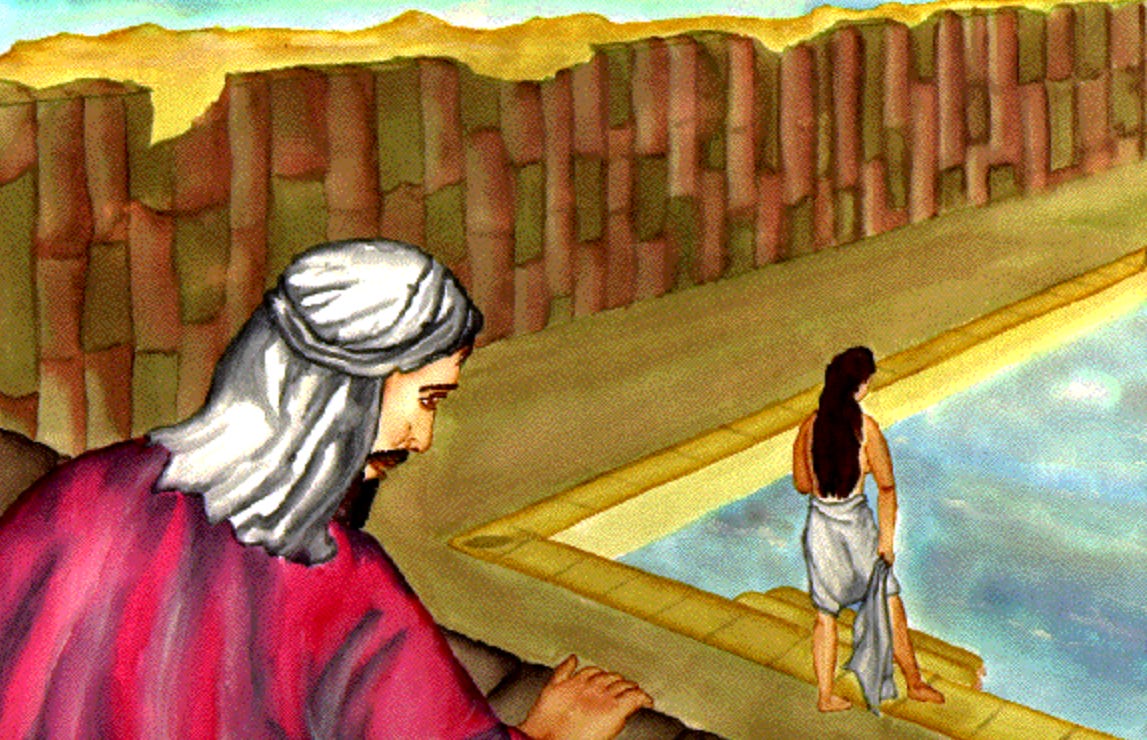
Scripture is honest about its heroes in a way modern reporting rarely is. David is called a man after God’s own heart, yet he commits adultery and arranges the murder of Uriah. Samson is set apart from birth yet gives himself over to lust and revenge. Abraham lies out of fear. Moses disobeys God in anger and never enters the Promised Land. Noah ends his story in drunken shame.
Those details are not footnotes. In fact, they are the main point. This is not about us, or what we can do. It is about Him. We must trust that He uses imperfect people to accomplish His purposes.
If we turn these Biblical men into untouchable moral giants, we shift the spotlight off God’s mercy and place it on human effort. The story becomes, “Try harder and be like David,” instead of, “Look at how faithful God is, even when David fails.” One path leads to humility and gratitude. The other leads to pride if we think we are succeeding, or despair if we know we are not.
The consistent theme of Scripture is not human achievement. It is God’s faithfulness, forgiveness, and grace in the face of human weakness. The Old Testament does not point to perfect men. It points us forward to a perfect Savior.
So what about modern heroes?
This way of reading the Bible spills into politics and public life. We live in an age that builds up public figures quickly and tears them down just as fast. Leaders are cast as heroes or villains, rarely as flawed human beings in need of mercy, grace, and correction. We discard them at the first sign of weakness, or we canonize them and refuse to see and acknowledge their mistakes. In both cases, we deny that people are capable of failure, redemption, and growth. And we remove God’s grace from the mix of our understanding.
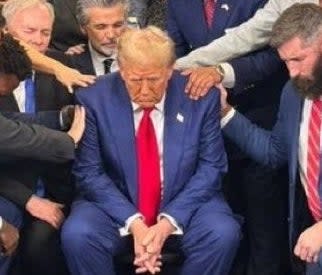
Some Christians have compared Donald Trump to figures like Cyrus or David. The argument is familiar. God used Cyrus, a pagan king, to accomplish His purposes. God used David despite serious moral failures. Therefore, God can use a modern leader with sharp edges to achieve certain outcomes.
God can use anyone. Scripture makes that clear. But we must not use that truth to excuse serious faults or treat any leader as indispensable to God’s plan. To understand this rightly, we must be careful readers of Scripture and honest about current events.
The same pattern shows up across the political spectrum. Admirers of Barack Obama elevated him as a symbol of hope and change, overlooking legitimate criticisms. Ronald Reagan is remembered as the Cold War victor, with less discussion of the complexities of his record. Every generation has its preferred heroes; all of them human.
Hero hermeneutics in politics breeds tribalism and divisiveness. It tempts us to measure righteousness by party loyalty instead of character and truth. Scripture calls us to something steadier, something higher.
The Apostle Paul writes that the stories of the Old Testament were written as warnings for us. That is a striking word. Warnings. Not just inspiration. Not just motivation.

Like us, the men and women of the Bible are jars of clay. God’s power shines through them, but the cracks are still visible. That should never be an embarrassment to the faith. It is evidence of His grace. We should embrace that in our own lives and extend that understanding to others.
When we approach modern leaders, we should do the same. We can support policies that align with our convictions and outcomes that protect life, liberty, and constitutional order. At the same time, we must be honest about failures in judgment or conduct. Accountability is not betrayal. It is maturity.
As Christians and citizens, we are called to pray for those in authority, even those we oppose. Yet we are not instructed to pretend they are without fault. Our ultimate hope does not rest in a president, a governor, or a legislator. It rests in Christ alone.
Hero hermeneutics is attractive because it gives us simple stories with clear champions. But like modern history, the Bible is not a collection of fairy tales about flawless men. It is the record of a holy God working through deeply flawed people to accomplish His redemptive purposes.
If we airbrush Abraham, Moses, David, and Samson, we miss the heart of the message. If we repeat that mistake with modern political figures, we risk confusing the kingdom of God with the kingdoms of this world.
The lesson is not that we should become cynical. It is that we should become honest. Honest about sin. Honest about grace. Honest about the limits of any human leader. And most of all honest about a path to redemption for each of us.
There is only one true Hero in Scripture. And He does not need us to rewrite anyone else’s story to make His glory shine.
Best piece you’ve written so far.